Carbide insert lots we review
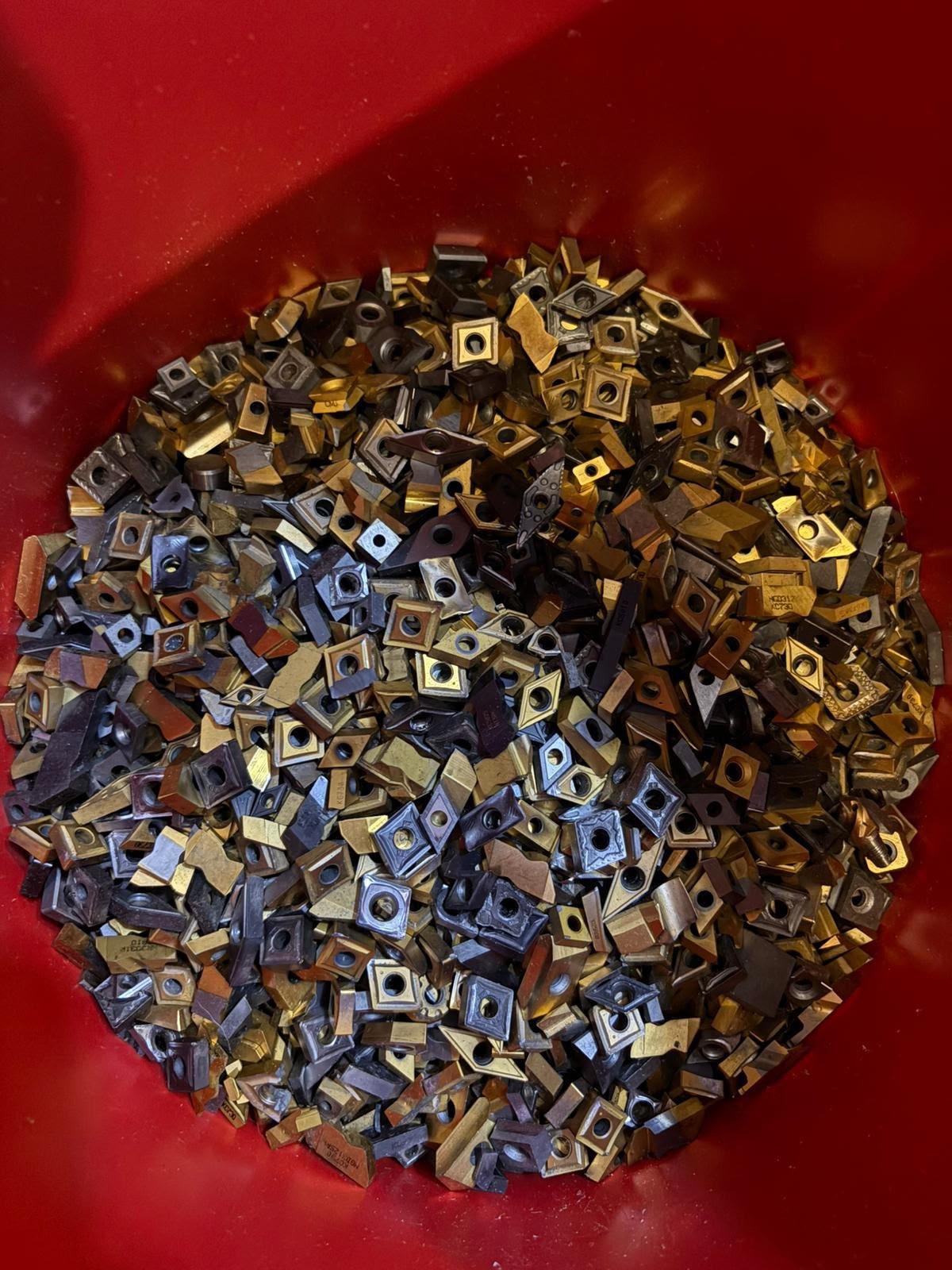
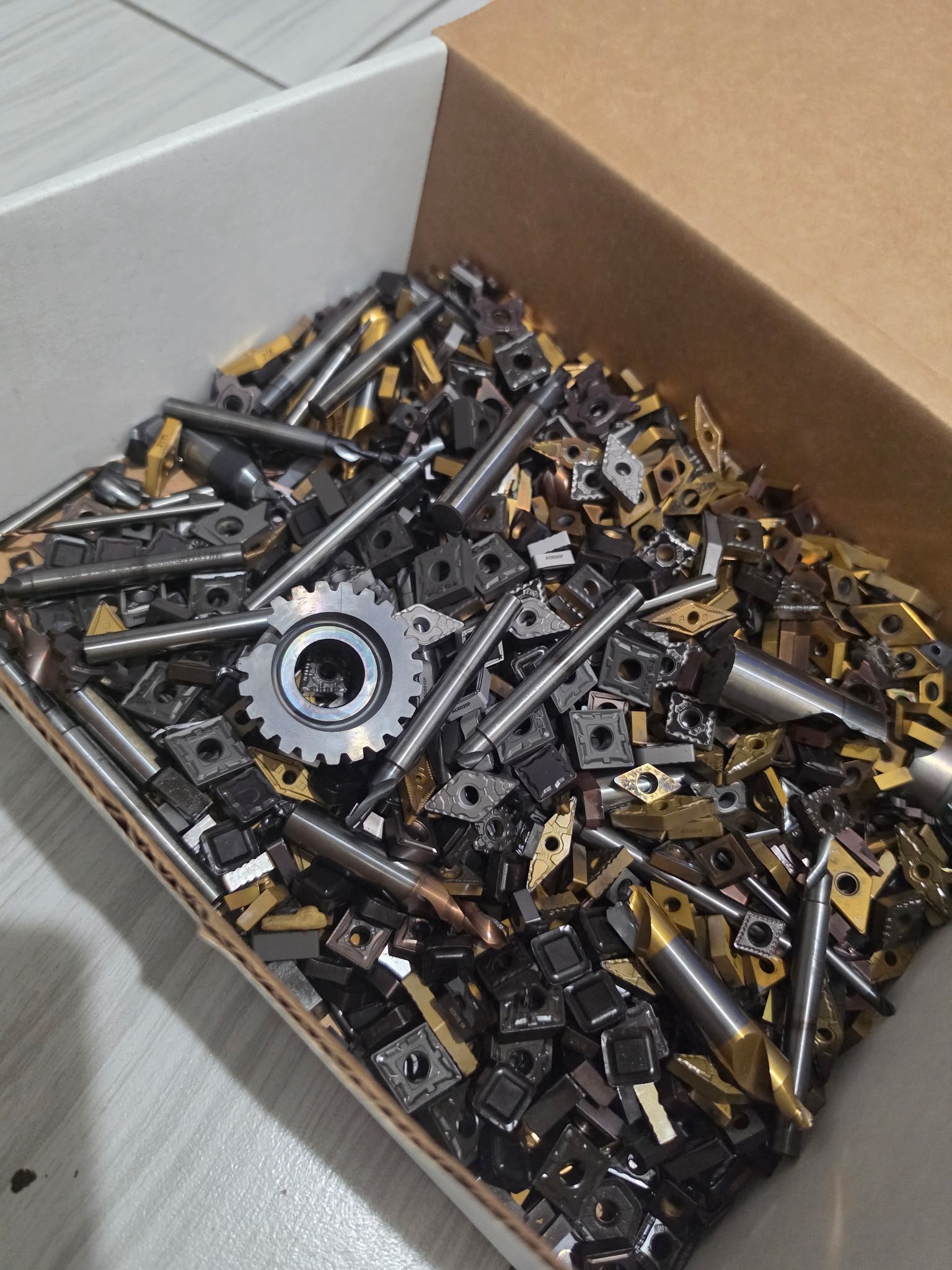
We review square, triangle, diamond, round, grooving, threading, milling, turning, boring and indexable carbide inserts. Coated and uncoated inserts can both be quoted, including used inserts, broken inserts, chipped inserts, obsolete inventory and mixed trays from toolrooms.
Why inserts have recycling value
Carbide inserts contain tungsten carbide and cobalt binder, so clean insert lots can carry strong scrap value compared with ordinary steel tooling. The quote depends on weight, grade, cleanliness, coating, contamination, market conditions and whether the inserts are sorted or mixed.
Sorting inserts before selling
Keep carbide inserts separate from steel holders, tool bodies, ceramics, high-speed steel, aluminum, packaging and general scrap when possible. If the inserts are mixed, send clear photos and explain what else is in the bucket or bin so the material can be reviewed honestly.
Photos that help get a faster quote
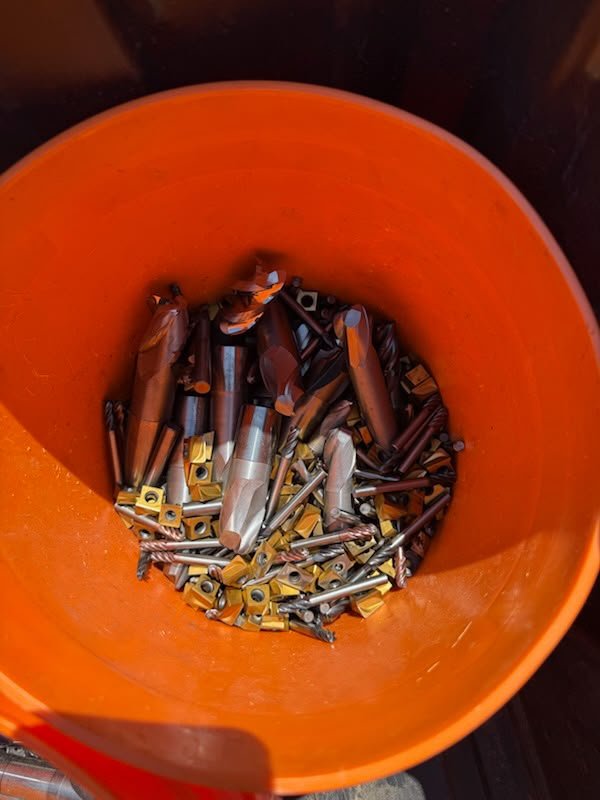
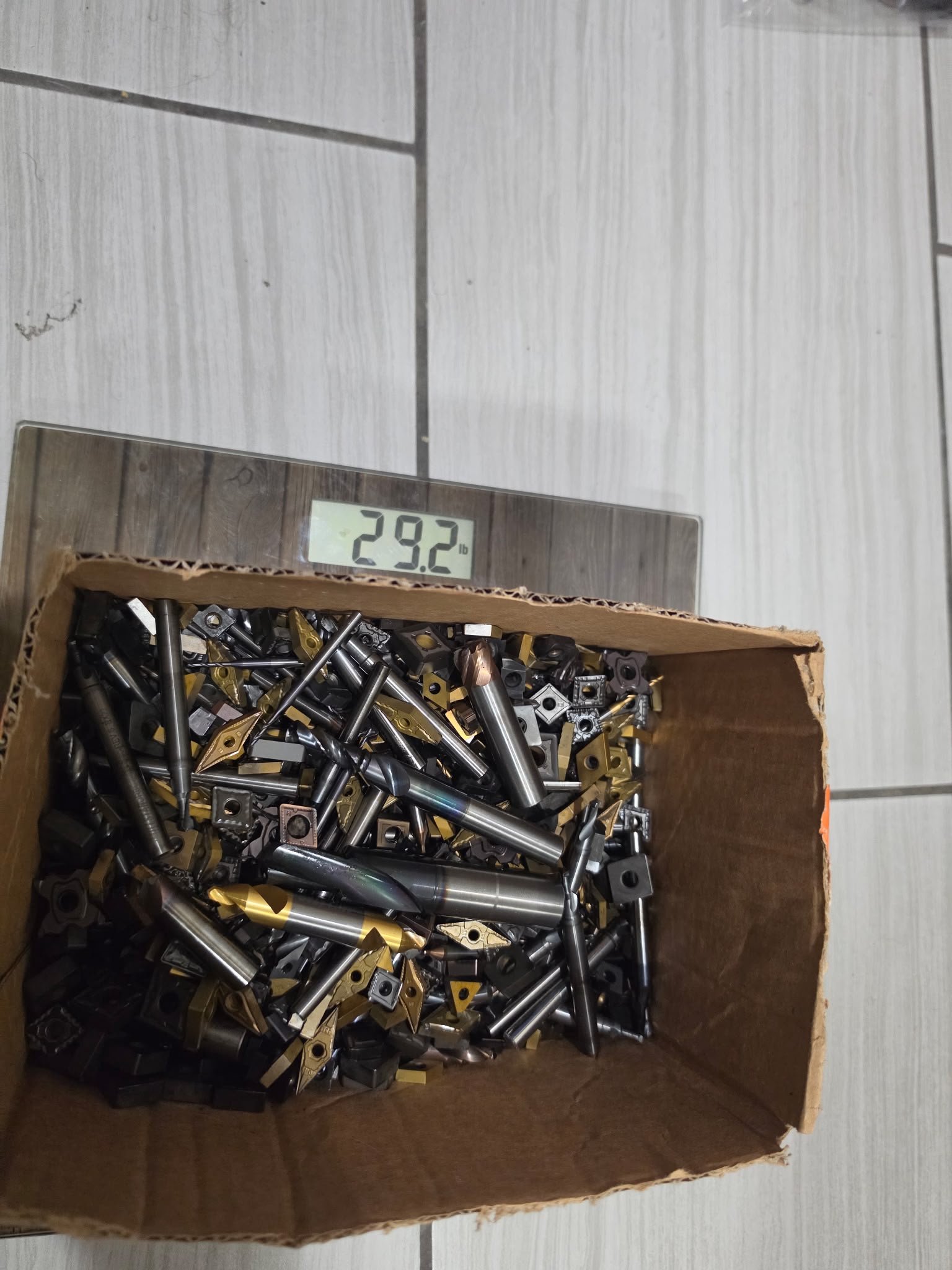
Take one wide photo of the full lot, one close-up of the inserts, and one photo showing the container or approximate weight. If you have multiple trays or buckets, photograph each one instead of only showing the top layer.
Who sells carbide inserts
Most insert quote requests come from CNC machine shops, mold shops, tool and die rooms, aerospace suppliers, automotive suppliers, fabrication companies, maintenance departments, surplus tooling sellers and industrial cleanouts.
Pickup areas for carbide insert sellers
Carbide insert sellers can request quote support across Ontario and Quebec, including Toronto, Mississauga, Brampton, Vaughan, Hamilton, Burlington, Oakville, Kitchener, Cambridge, Waterloo, London, Windsor, Ottawa, Montreal, Laval, Longueuil and nearby industrial areas.
Best sellers for this page
This page is built for CNC turning shops, milling departments, mold shops, toolrooms and surplus tooling sellers with trays or buckets of used carbide inserts. It explains insert types, sorting value and where to go next if the lot also contains end mills or drill bits.
Useful internal next step
If your insert bucket is mixed with solid tools, compare the end mill buyer page and drill bit buyer page before requesting a quote. If the material is from a full plant cleanout, the industrial carbide scrap page is the stronger match.
Buyer solution
The practical goal is simple: separate the inserts, confirm approximate weight, review photos, then decide whether local pickup, drop-off or a larger industrial route makes sense.
Carbide insert buyer questions
Do you buy used carbide inserts in Canada?
Yes. Carbide Buyer Canada buys used, chipped, broken, coated, uncoated and mixed carbide inserts from machine shops, toolrooms, manufacturers and tooling sellers across Ontario and Quebec.
What types of carbide inserts can I sell?
You can send photos of square, triangle, diamond, round, grooving, threading, turning, milling, boring and indexable inserts. Mixed insert trays can be reviewed, but cleaner sorting usually makes the quote conversation faster.
How are carbide insert prices decided?
Carbide insert quotes depend on approximate weight, tungsten carbide content, cobalt binder, grade, coating, contamination, sorting quality, pickup location and current market conditions.
Should carbide inserts be separated from holders?
Yes, when possible. Keep inserts separate from steel holders, tool bodies, ceramics, high-speed steel and general scrap. If the lot is mixed, mention that when sending photos.
Can machine shops arrange repeat pickup for carbide inserts?
Yes. Machine shops and toolrooms with recurring insert scrap can send photos and approximate weights for pickup planning across Ontario and Quebec service areas.
Next pages for carbide scrap sellers
Continue with the main service pages, local city pages, or quote page depending on what you want to sell.